Designing Calm, Minimal Homes for Busy American Lifestyles
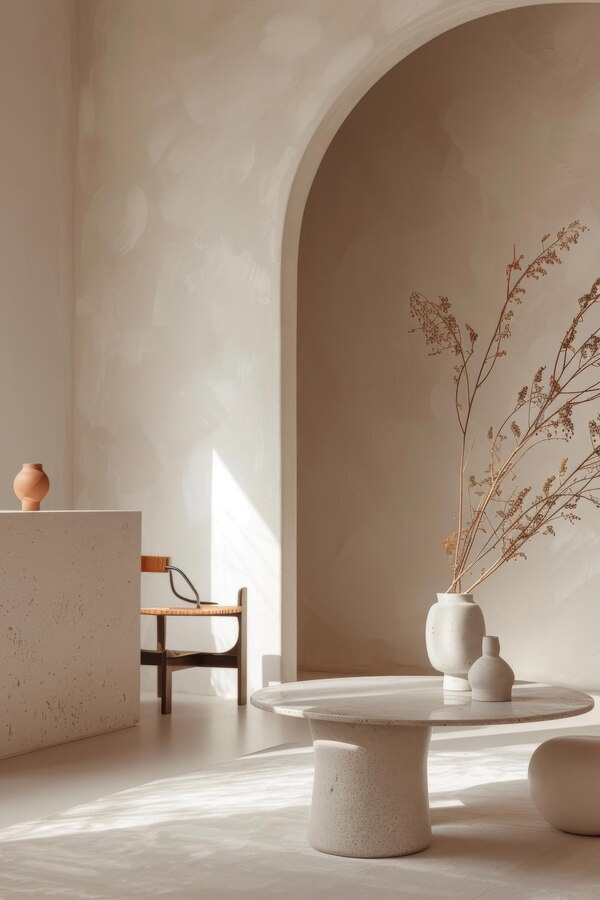
Designing a calm, minimal home in the context of a hectic American lifestyle isn’t about living with almost nothing. It’s about creating spaces that feel restorative, intentional, and easy to maintain, so your home supports your life instead of competing with it.
Below is a practical, design-focused approach to achieving that.
1. Start with Function, Not Aesthetics
Minimalism often gets reduced to a look—white walls, one chair, no clutter. In reality, it’s a process of editing your home so that everything in it has a clear purpose.
Questions to guide you:
- What actually happens in this space every day? (Working, eating, playing, resting?)
- What constantly gets in the way or creates mess and stress?
- What needs to be instantly accessible versus stored away?
Begin room by room:
- Entryway: Focus on keys, shoes, bags, mail. Add just what you need: hooks, a tray, a shoe bench, a lidded basket for mail.
- Living room: Define what you use it for: TV, reading, kids’ play, entertaining. Remove furniture that isn’t used or blocks flow.
- Bedroom: Prioritize sleep and dressing. Clear out anything that visually shouts “unfinished business,” like piles of paperwork or workout gear.
When you clarify function first, the minimal look starts to emerge naturally: fewer pieces, each with a job.
2. Declutter Strategically, Not Perfectly
Busy schedules rarely allow for a three-day full-house purge. Aim for sustainable, incremental changes.
Simple, realistic tactics for American routines:
- The 10-minute evening reset: Set a timer and restore surfaces—kitchen counter, coffee table, nightstand. Focus on clearing, not organizing.
- One-drawer-a-week rule: Each week, choose a small zone (drawer, shelf, cabinet) and declutter. This adds up without overwhelming you.
- Boundary-based minimalism: Use physical limits. One basket for kids’ toys in the living room. One shelf for coffee mugs. When it’s full, something has to go.
When deciding what stays:
- Keep what you use regularly.
- Keep what noticeably improves your daily life (the lamp that makes reading easier, the comfortable chair).
- Release “aspirational” items you don’t actually use (specialty appliances, hobby supplies you’ve ignored for years).
Minimalism is less about owning a specific number of things and more about reducing decision fatigue and visual noise.
3. Choose a Calm Color Palette that Fits Real Life
American homes often juggle open-plan spaces, family life, and varying light. A minimal interior needs a palette that can handle all of that.
Base colors:
- Warm whites (not stark) work well in most climates and lighting.
- Soft greiges or light taupes add warmth and hide everyday scuffs better than pure white.
Accents:
- Neutrals: sand, oat, camel, stone gray.
- Muted colors: sage green, dusty blue, clay, soft terracotta.
- Reserve bold colors for small, easily changeable elements (a throw, art, cushions).
Consistency tip: Use 1–2 main wall colors throughout most of the home. This visual continuity is one of the fastest ways to create a calm, minimal feel, especially in open-concept American layouts.
4. Simplify Furniture: Fewer, Better, Multi-Functional
Minimal homes for busy lives should reduce maintenance, not add it.
Key principles:
- Edit down: Choose fewer pieces with generous proportions instead of many small items that clutter sightlines.
- Elevated & light: Furniture with visible legs and low visual weight (simple lines, no heavy ornamentation) keeps rooms feeling open.
- Dual-purpose:
- Storage ottomans instead of coffee tables.
- Benches with hidden storage in entryways or at the foot of beds.
- Nightstands with drawers instead of open shelves that collect clutter.
For family homes:
- Opt for durable, easy-clean fabrics and materials (washable slipcovers, performance fabrics, medium-tone woods).
- Avoid delicate finishes that demand constant babying—minimalism should make life easier, not more precious.
5. Layer Textures to Avoid Sterile Minimalism
Calm does not have to mean cold. In fact, a truly restorative home feels warm and human, not like a showroom.
Ways to add quiet richness:
- Textiles: Cotton, linen, wool, boucle, jute. Mix a few textures in the same color family.
- Natural materials: Wood, stone, rattan, ceramic. These bring subtle variation and warmth.
- Soft elements in key zones: A textured rug in the living room, a linen duvet in the bedroom, woven baskets for storage.
Think “less pattern, more texture.” A room can be visually simple yet still feel deeply inviting.
6. Clear Surfaces, Thoughtful Storage
Cluttered surfaces are one of the main stress triggers in busy households.
Make it easy to put things away:
- Use closed storage (drawers, cabinets, boxes with lids) for most items.
- Keep open shelving minimal and curated; it quickly becomes visual clutter if overloaded.
- Dedicate specific, labeled homes for:
- Mail and paperwork
- Kids’ art/school items
- Chargers and tech
- Daily essentials like sunglasses, wallets, and headphones
Design rule: If something is used daily, it should be easy to grab and just as easy to put away. Hooks beat hangers. Baskets beat complicated systems.
7. Create One Calm Focal Point Per Room
Instead of filling walls and surfaces, let one or two elements quietly lead.
Examples:
- A single large artwork or framed photograph above the sofa.
- A clean, layered bed with a headboard and one accent pillow color.
- A dining table centered under a simple, striking light fixture.
- A large plant anchoring an empty corner.
This focus gives the eye a place to rest and eliminates the visual tug-of-war of many competing elements.
8. Design for American Routines: Work, Family, Commute
Minimal design only works if it fits the way you actually live.
For remote or hybrid work:
- Set up a defined work zone, even if it’s a small wall desk or a closet office.
- Use closed storage for work items so evenings and weekends don’t visually feel like “office time.”
- A simple pinboard or memo rail keeps papers vertical and off surfaces.
For families:
- Zoned spaces: reading corner, play area, homework spot. Clear definition reduces mess creeping everywhere.
- Contain toys with large bins rather than many small containers. Aim for fast tidying, not perfect organization.
- Use washable, low-maintenance materials in high-traffic zones.
For long days and commutes:
- Prioritize a soft landing at home:
- A clean, clear entry point.
- A dimmable lamp or warm light source in the living room.
- A clutter-free kitchen counter ready for simple meals.
9. Use Light Intentionally
Light strongly shapes how calm a space feels.
Natural light:
- Keep window treatments simple: sheer curtains, roller shades, or blinds in a neutral tone.
- Remove heavy drapes that block light unless needed for privacy or insulation.
Artificial light:
- Choose warm white bulbs (around 2700–3000K) for living spaces and bedrooms.
- Layer lighting:
- Overhead/general light
- Task lighting (desk lamp, reading lamp)
- Ambient lighting (floor lamps, table lamps, wall sconces)
Avoid harsh, bright blue-toned light in the evening; it fights against any sense of calm.
10. Bring in Nature, Gently
Connection to nature is a powerful antidote to busy lifestyles.
You can do this minimally:
- A few well-chosen plants rather than many small ones.
- Natural materials: wood tables, linen curtains, wool rugs.
- Views: keep at least one window area free of heavy decor to maximize the view outside, even if it’s just trees or sky.
If plant care feels like one task too many, choose low-maintenance varieties (snake plants, pothos, ZZ plants) or use cut branches in a simple vase.
11. Set Up Simple Ritual Zones
Calm comes as much from how you use your home as how it looks.
Create small, dedicated spots for everyday decompression:
- Morning nook: A chair near a window with a side table for coffee and a book.
- Bedroom wind-down: A bedside lamp you love, one book, a carafe or glass of water, no extra clutter.
- Entry reset: A small tray or bowl for your keys and phone; a hook for your bag; a bench to sit and take off shoes.
Designing for these mini-rituals builds calm into your day without demanding extra time.
12. Maintain with Micro-Habits, Not Big Projects
The calmest homes are those that are easy to keep in balance.
Simple habits:
- One-in, one-out: when you buy a new item in a category (mug, towel, pair of shoes), let one old item go.
- Weekly surface sweep: pick a fixed time each week to clear and reset surfaces.
- Monthly mini-review: choose one room each month and ask:
- What’s constantly out of place?
- What feels visually noisy?
- What can be stored differently or removed altogether?
Minimalism is not a one-time makeover; it’s a gentle, ongoing adjustment as your life changes.
Designing calm, minimal homes for busy American lifestyles isn’t about strict rules or a specific aesthetic. It’s about making your home a quiet ally: reducing friction in daily routines, giving your eyes and mind space to rest, and surrounding yourself only with what you truly use, need, and enjoy.
Start small—a single room, or even a single surface. As you experience the relief that a calmer space brings, you’ll find it easier to carry the same approach through the rest of your home.