Timeless Warm Minimalism for Modern City Apartments
Timeless warm minimalism is more than a style trend; it’s a practical design language for making modern city apartments feel calm, spacious, and deeply personal. In compact homes where every centimeter matters, this approach offers both visual clarity and emotional comfort. It takes the clean lines of classic minimalism and softens them with warmth, texture, and human scale.
Below is a structured guide to creating this aesthetic in a contemporary urban apartment.
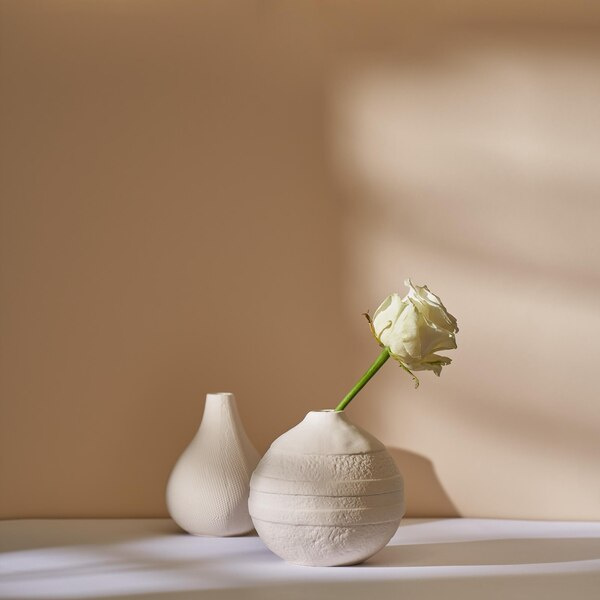
1. The Essence of Warm Minimalism
Traditional minimalism favors stark whites, sharp contrasts, and an almost gallery-like neutrality. Warm minimalism keeps the discipline but replaces coldness with softness:
- Less, but better – Fewer items, thoughtfully chosen and well-made.
- Calm, not sterile – Neutral bases enriched by warm undertones and tactile materials.
- Functional beauty – Objects that earn their place by being both useful and visually quiet.
In a city apartment—often small, noisy, and visually busy outside—this creates a retreat that feels timeless rather than trendy.
2. Color Palette: Soft Neutrals with Depth
A warm minimalist palette is subdued but not flat. It relies on neutrals that lean warm rather than cool.
Base colors (walls and large surfaces):
- Soft white with cream or beige undertones
- Light greige (grey-beige)
- Pale taupe or sand
Supporting tones:
- Warm stone, mushroom, caramel, camel
- Gentle browns and oat tones
- Desaturated olive, sage, or clay as quiet accent colors
How to apply:
- Keep the overall palette tight: 1–2 base colors, 2–3 supporting tones.
- Use contrast sparingly: instead of black-and-white, opt for warm off-white with deep chocolate, charcoal, or espresso.
- In small apartments, paint walls, ceilings, and trims in the same or very similar tones to blur boundaries and make spaces feel taller and calmer.
3. Materials & Textures: Where Warmth Lives
Texture is what prevents minimalism from looking empty or harsh. In compact city homes, you don’t have room for lots of furniture, but you can layer tactile richness in what you do have.
Foundational materials:
- Wood: oak, ash, walnut, beech in natural or lightly stained finishes. Avoid very glossy varnishes.
- Textiles: linen, cotton, wool, bouclé, and textured weaves in natural or warm-neutral colors.
- Stone and ceramics: honed (matte) finishes, not polished; think travertine, limestone, unglazed or matte-glazed ceramics.
How to layer texture:
- Pair smooth surfaces (plaster walls, flat cabinetry) with coarse elements (woven textiles, nubby rugs, raw wood).
- Use a mix of matte and low-sheen finishes to keep light soft and diffuse.
- Choose fewer, larger textured elements instead of many small decorative pieces: one substantial wool rug will add more warmth than ten trinkets.
4. Furniture: Clean Lines, Human Scale
In city apartments, furniture has to be both space-efficient and visually quiet.
Key principles:
- Simple silhouettes: Choose pieces with clean lines, minimal ornament, and integrated handles rather than heavy hardware.
- Soft edges: Slightly rounded corners on tables and sofas create a more inviting, timeless look than sharp, boxy forms.
- Leggy silhouettes: Sofas and chairs with visible legs make floors look more open and airy, ideal for small spaces.
- Real proportions: Avoid oversized, bulky furniture that touches every wall; a smaller, well-proportioned sofa will feel more luxurious in a compact room.
Material choices:
- Upholstery in textured neutrals: stone, oat, warm grey, or cream (with removable, washable covers if possible).
- Wood tones that echo your flooring or doors to create visual continuity.
- Avoid overly glossy metal; if you use metal, choose brushed brass, bronze, or blackened steel in small doses.
5. Layout: Space, Flow, and Negative Space
Warm minimalism depends as much on what you leave empty as what you fill.
Planning the layout:
- Start with function: define zones (living, dining, working, sleeping) based on how you actually live, not how a magazine layout looks.
- Keep circulation paths clear: aim for at least one obvious, unobstructed route through each room.
- Float furniture when possible: a sofa pulled slightly away from the wall can feel more considered and less cramped.
Negative space:
- Leave some surfaces intentionally bare: a dining table doesn’t always need a centerpiece.
- Don’t line every wall with furniture; give at least one wall in each room room to “breathe.”
- In very small apartments, consider multi-functional pieces (storage ottoman, extendable table) and then commit to fewer overall items.
6. Storage: Hidden Order, Visible Calm
Clutter is the enemy of any minimalist approach, but city living generates plenty of things—documents, cables, winter gear, groceries. Warm minimalism doesn’t pretend these don’t exist; it just houses them intentionally.
Strategies:
- Built-in storage: Floor-to-ceiling wardrobes or cabinets in the same color as the walls blend into the architecture and visually recede.
- Closed storage first: Use closed cabinets for everyday items; keep open shelving for a small number of carefully edited objects.
- Entry and corridor solutions: Shallow cabinets, wall hooks, and benches with hidden storage can keep visual noise at bay near the entrance.
Styling open areas:
- Limit open shelves to a few meaningful books, ceramics, or art objects in a coordinated color range.
- Group items by material or color to reduce visual fragmentation.
- Leave empty space on each shelf; avoid “edge-to-edge” filling.
7. Lighting: Warm, Layered, and Adjustable
Lighting transforms a minimal space from stark to enveloping. In dense urban environments, it also compensates for limited natural light or harsh street lighting.
Aim for three layers:
- Ambient lighting – Soft, general illumination: ceiling fixtures, cove lighting, or minimal recessed lighting with warm bulbs.
- Task lighting – Focused light where you read, cook, or work: adjustable desk lamps, under-cabinet kitchen lighting.
- Accent lighting – Lamps that create mood: floor lamps, table lamps, small wall sconces.
Warmth and tone:
- Choose warm white bulbs (around 2700K–3000K). Avoid very cool or blue-toned light.
- Prefer diffused or shaded lighting over bare bulbs to soften shadows.
- Use dimmers wherever possible to adapt the space from daytime function to evening calm.
8. Art & Objects: Fewer, Meaningful, and Quiet
Warm minimalism doesn’t mean empty walls; it means intentional ones.
Art:
- Select pieces with restrained palettes or simple compositions that echo your room’s colors.
- Oversized art can be more harmonious than many small pieces scattered across the walls.
- Use simple frames: thin wood, white, black, or metal with minimal detailing.
Objects and decor:
- Curate: keep only what you love, use, or find emotionally significant.
- Favor handcrafted pieces—ceramic bowls, woven baskets, textured vases—over mass-produced decor.
- Leave breathing room: treat styling like punctuation, not a block of text.
9. Textiles: Softening Edges and Absorbing Sound
In city apartments, textiles not only add visual warmth; they also soften acoustics.
Key pieces:
- Rugs: One large rug under core furniture groups (sofa and coffee table, or bed and nightstands) to anchor zones.
- Curtains: Floor-to-ceiling, slightly pooled or just kissing the floor. Lightweight linen or cotton in a color close to the walls feels calm and expansive.
- Throws and pillows: Limited in number but rich in texture; stick to your core palette to avoid visual noise.
Aim for tactile variety—smooth, nubby, woven, and soft—within a narrow color spectrum.
10. Kitchen & Bathroom: Quiet, Functional Backdrops
These high-use spaces benefit from a subdued, integrated look.
Kitchen:
- Flat-front cabinets in a matte finish, in the same hue as adjacent walls or with a gentle contrast.
- Minimal handles: finger pulls, integrated grips, or slim hardware.
- Countertops in warm stone or stone-look materials with subtle veining.
- Hide appliances where possible; keep counters mostly clear.
Bathroom:
- Limit material changes: for example, one main tile type with a subtle variation for the shower.
- Use open shelving sparingly; rely on closed vanity storage.
- Soft, thick towels in off-white, sand, or greige instead of intense colors.
11. Greenery: Organic Counterpoint to the City
Plants bring life and a sense of slowness to fast-paced city apartments.
Approach:
- Choose a few larger plants rather than many small ones: they look calmer and more sculptural.
- Simple planters in ceramic, stone, or matte finishes, matching your palette.
- Place plants where they can thrive and also soften hard edges—near windows, in corners, next to media units.
12. Daily Habits: Living the Aesthetic
A timeless warm minimalist apartment is as much about behavior as design.
Maintain the feeling by:
- Practicing “one in, one out” when buying new items.
- Resetting surfaces daily: clearing counters, folding throws, returning items to hidden storage.
- Editing regularly: donate or recycle what is no longer used or meaningful.
Minimalism becomes warm and timeless when it supports your life, not when it dictates it. The goal isn’t perfection, but a stable, calm backdrop that can flex as your needs change.
13. Timelessness Over Trend
To ensure your apartment feels relevant for years:
- Invest in quality foundational pieces: sofa, dining table, bed, main lighting.
- Keep structural and expensive elements neutral and warm; express novelty in easily changeable items (art, cushions, smaller objects).
- Avoid extreme, highly specific trends in shapes or finishes; lean into classic forms with subtle contemporary detailing.
Warm minimalism suits modern city apartments because it respects both spatial limits and emotional needs. By prioritizing simplicity, comfort, and tactility, you create a home that quiets the urban noise without feeling cold or empty—a place that feels grounded today and will still feel right a decade from now.